Event Guide · Guide
Mascot Event Planning Guide: Scheduling Appearances That Work
A mascot succeeds at events the way a team does - with a plan. This guide covers matching costume features to event types, scheduling performers, and preparing the little details that make appearances run smoothly.
Published August 28, 2026 · Updated August 28, 2026
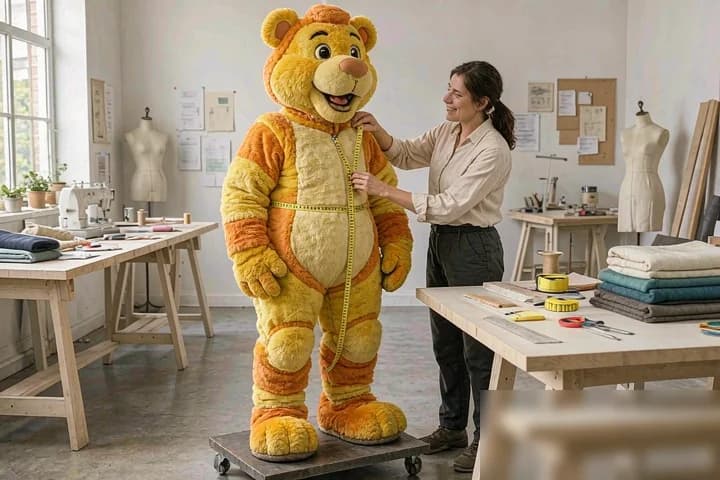
The mascot is only as good as its appearances, and appearances work best when they are planned - which events, which costume features, which performer, and what the mascot will actually do there.
Match the costume to the event
Not every event stresses the costume the same way. A pep rally in a hot gym tests breathability and head weight; a homecoming parade tests durability and sightlines in weather; a photo booth tests how easy the costume is to get in and out of. Review the season's events and flag any that need special preparation.
Schedule performers realistically
Rotating performers prevents fatigue and burnout. Aim for shifts that match the event: short high-energy bursts for rallies, longer rotating shifts for all-day events like homecoming. Always have a backup performer listed for fixed-date events.
Prepare a short routine
Even simple appearances benefit from a prepared routine: an entrance, two or three signature moves the mascot always does, and a crowd interaction pattern. A mascot with a signature move is remembered; a mascot that wanders aimlessly is not.
Plan the logistics
For each event, decide in advance: where the performer changes, where the costume is stored during the event, how the mascot gets there, and who is responsible for the costume afterward. These logistics are boring, and skipping them is how costumes get lost or damaged.
Frequently Asked Questions
Rotate performers to prevent fatigue, use short high-energy shifts for rallies and longer rotating shifts for all-day events, and keep a backup performer for fixed-date events.
Prepare a short routine - an entrance, two or three signature moves, and a crowd interaction pattern. A prepared routine makes appearances memorable.
Where the performer changes, where the costume is stored during the event, how the mascot travels, and who is responsible for the costume afterward.