Design Guide · Guide
Mascot Costume Design Guide: Head, Eyes, Mouth, and Body
A mascot costume is four design zones working together. Each one - head, eyes, mouth, body - trades off character, visibility, and comfort, and the right balance depends on how the mascot will be used.
Published August 28, 2026 · Updated August 28, 2026
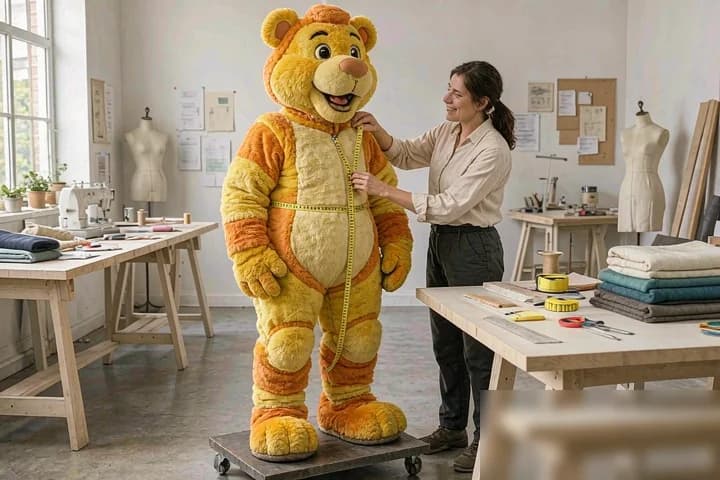
When you look at a mascot costume you see one character; when you design one, you are balancing four zones that pull in different directions. Understanding each zone explains why two costumes of the same animal can perform so differently.
Head design
The head is the identity. A sculpted head with a movable mouth reads as a character; a simpler fixed-face head is lighter and easier to wear. Heavier, more detailed heads deliver more character but more fatigue over a long game or parade. Match head weight to the longest event on your calendar.
Eyes
Eye design is a visibility decision first and a character decision second. The performer sees through designated mesh or open areas, depending on the design. Ask how a specific design handles sightlines before committing - especially if the wearer will navigate stairs, crowds, or fields.
Mouth
A movable mouth makes the mascot expressive - it can talk, cheer, and react. Fixed mouths are simpler and more durable but less expressive. The right choice depends on whether the mascot performs scripted routines (movable mouth earns its weight) or mostly waves and poses (fixed is fine).
Body
The body carries the school colors and the proportions that make the character read from the bleachers. Decide where the school colors appear - torso panels, sleeves, trim - and whether any lettering or logo is applied. Body design is also where customization gets most visible, which makes it the zone to confirm early.
Frequently Asked Questions
The head, eyes, mouth, and body. Each zone balances character, visibility, comfort, and durability differently.
Visibility is provided through designated mesh or open areas, depending on the design. Ask how a specific design handles sightlines, especially for stairs and crowds.
Movable mouths make the mascot expressive for scripted routines; fixed mouths are simpler and more durable. The choice depends on how the mascot performs at your events.